When New Hampshire Leads,
America Wins -
Celebrating the Legacy of
Senator Jeanne Shaheen (D-NH)
Watch the Livestream Here
The role that Senator Jeanne Shaheen has played on the global stage did not come easily, nor was any of it preordained. She began her career as a school teacher, but by getting involved in politics, she has blazed a path for herself to shape the world through her leadership. From leading the first international trade mission from New Hampshire, as its first female elected Governor, to rising through the ranks of the Senate to become the ranking Democrat on the Senate Foreign Relations Committee, Senator Shaheen has lead a storied international career.
On October 26, the World Affairs Council of New Hampshire and the U.S. Global Leadership Coalition will join together to honor the Senator's lasting global legacy.
In addition, this event will bring together the NH global community to highlight how America’s global leadership creates export opportunities for New Hampshire businesses, prevents diseases from reaching our shores, and reinforces alliances that counter authoritarianism and strengthen our national security.
WACNH proudly will livestream this event to its global audience through YouTube on its homepage at wacnh.org.
About the Senator
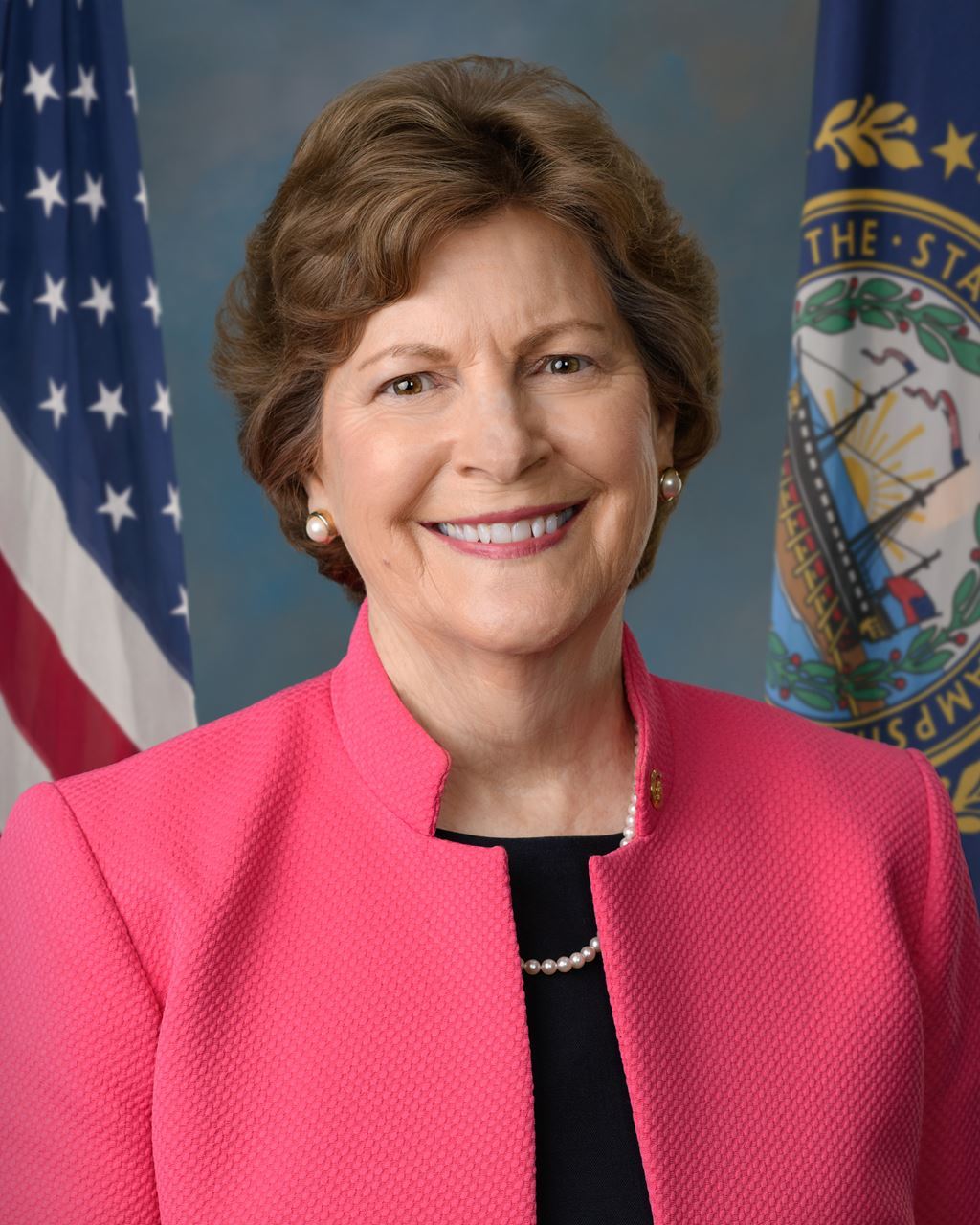 Sen. Jeanne Shaheen - The first woman in U.S. history to be elected both a Governor and a United States Senator, New Hampshire’s Jeanne Shaheen is a trailblazer with a reputation for working across the aisle to get things done. Shaheen has served in the Senate since 2009 and is the Chair of the U.S. Senate Committee on Small Business and Entrepreneurship and a senior member of the U.S. Senate Committees on Armed Services, Foreign Relations, Appropriations as well as the Select Committee on Ethics.
As inflation rose across the world, Sen. Shaheen was a key supporter of the Inflation Reduction Act, which lowered costs for middle class families and provided funds to bolster clean energy and climate investments in New Hampshire, bringing inflation down and saving money for working Granite Staters.
For decades, the United States has put off the investments needed to fix our crumbling infrastructure. Sen. Shaheen was a lead negotiator of the Bipartisan Infrastructure Law and supported several key provisions included in the final bill that bolstered roads and bridges, rail, transit, ports, airports, the electric grid, water systems and broadband infrastructure across New Hampshire and the country.
China and other competitors continue to pose new challenges to the United States. Sen. Shaheen helped pass the CHIPS and Science Act authoring several provisions included in the final package. The historic legislation develops U.S. policy to address strategic, economic and diplomatic tools for a global strategy that will allow the United States to confront the challenges that China and other global competitors pose to the United States.
Through her leadership on the U.S. Appropriations Committee, Senator Shaheen has delivered a sevenfold increase in resources to help Granite Staters suffering from substance use disorders receive desperately needed treatment. Sen .Shaheen helped pass the Affordable Care Act, ensuring that tens of thousands of Granite Staters have access to good quality, affordable health care.
As the top-ranking woman on both the Armed Services and Foreign Relations Committees, Senator Shaheen is a global leader on important foreign policy issues and she advocates for legislation and actions that confront our enemies, strengthen key alliances and bolster New Hampshire’s role in our national defense.
A champion for energy efficiency, Jeanne Shaheen created programs while serving as Governor that saved New Hampshire families and businesses over $1 billion. In the Senate, she has continued this work by helping pass bipartisan energy efficiency legislation, which was signed into law by President Obama.
Senator Shaheen served as Governor of New Hampshire for six years and also served in the NH Senate, helping create nearly 67,000 new jobs while keeping New Hampshire's tax burden the lowest in the country. With bipartisan support, she expanded public kindergarten to thousands of families and made higher education more affordable with a tax-free college savings program.
Between her time as Governor and election to the U.S. Senate, Shaheen served as the Director of Harvard University's Institute of Politics at the Kennedy School of Government. Sen. Shaheen was born in Saint Charles, Missouri. She and her husband, Bill, live in Madbury and have three daughters, Stefany, Stacey and Molly, and seven grandchildren.
Presented in Partnership With